
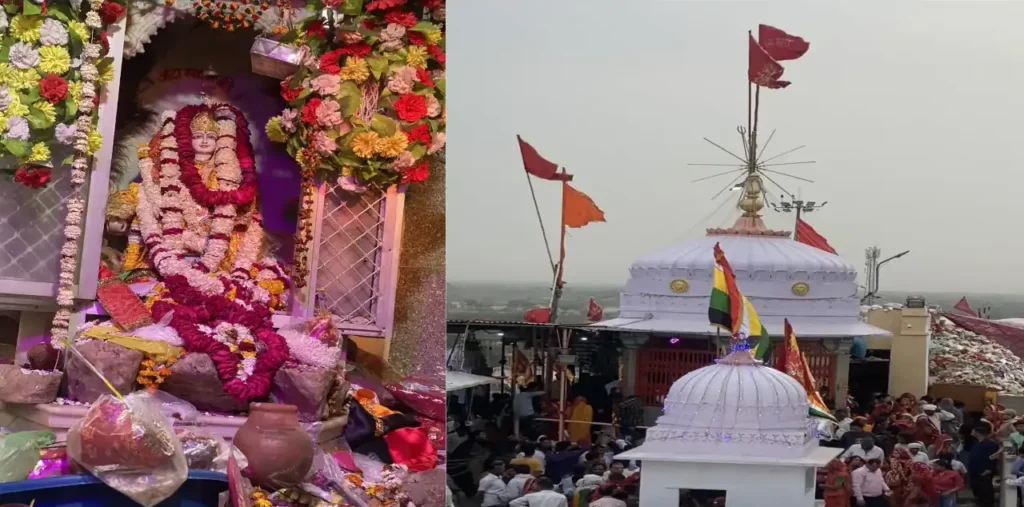
Jaipur is a city that effortlessly blends old-world heritage with a deep sense of spirituality. It is known for its majestic forts, colourful markets, royal palaces, and ancient temples that still hold the same charm they did centuries ago. In the middle of this rich cultural landscape stands one of the city’s most peaceful and respected temples—Sheetla Mata Mandir Jaipur.
If you’ve ever explored Jaipur or plan to visit soon, chances are you’ve heard locals talk about this temple with a special kind of warmth. It’s not just another religious spot; it’s a place where people come seeking blessings, healing, and inner calm. For many families in Rajasthan, Sheetla Mata is considered the goddess who protects, nurtures, and brings good health, making this temple an important part of their daily devotion.
What makes Sheetla Mata Mandir Jaipur truly special is the way it connects history, culture, faith, and local traditions all in one place. Whether you are a traveler exploring Jaipur’s spiritual side, a devotee wanting to experience the divine presence of Sheetla Mata, or simply someone who loves discovering stories behind historical temples, this place has something meaningful to offer.
In this blog, we’ll explore everything you need to know—from the history and mythology of the temple to its architecture, rituals, festivals, and even travel tips that will make your visit easier. By the end, you’ll not only understand the cultural importance of this temple but also feel inspired to experience its divine atmosphere in person.
About Sheetla Mata – Who Is the Goddess?
Before you visit Sheetla Mata Mandir Jaipur, it helps to understand who Sheetla Mata really is and why millions of devotees across India worship her with such deep faith. Sheetla Mata, also known as Maa Sheetla or Shitala, is widely regarded as the goddess of healing, protection, and purity. Her name comes from the Sanskrit word “Sheetal,” which means cool, symbolizing relief, calmness, and soothing energy.
The Mythological Story Behind Sheetla Mata
According to Hindu mythology, Sheetla Mata is believed to be an incarnation of Goddess Parvati, created to protect humanity from diseases, especially smallpox and other contagious illnesses. In ancient times, when medical science was limited, people prayed to Sheetla Mata for protection, recovery, and good health. Over time, this belief turned into a strong cultural tradition, especially in states like Rajasthan, Haryana, Gujarat, and Uttar Pradesh.
Locals lovingly chant “Jai Sheetla Mata” as a way of seeking blessings for good health, well-being, and positive energy. In many households, especially in Rajasthan, mothers still pray to Sheetla Mata for the protection of their children.
Why Sheetla Mata Is Important in Rajasthan
Rajasthan has a deep spiritual connection with the goddess. Almost every region of the state has a dedicated Sheetla Mata shrine, but the temple in Jaipur holds a special place because of its accessibility, clean environment, and peaceful ambience. Devotees believe that visiting Sheetla Mata Mandir Jaipur helps bring mental peace, shields the family from harm, and brings good fortune.
Her worship also reflects the traditional belief in cleanliness, hygiene, and purity—all values that Rajasthan’s culture strongly promotes.
History of Sheetla Mata Mandir Jaipur
Like many ancient temples in Rajasthan, the Sheetla Mata Mandir Jaipur carries a quiet but meaningful history that adds depth to every corner of the shrine. While the temple might not be as large or as famous as Jaipur’s grand palaces, its roots go back several decades and are deeply tied to the faith of local communities.
Origins of the Temple
The exact date of construction isn’t formally recorded, as is common with many community-built temples in Rajasthan. However, locals believe the shrine was established by early residents of the area who wanted a dedicated place to worship Sheetla Mata, the goddess of health and protection. Over time, the temple was expanded, repaired, and beautified through contributions from nearby families and devotees.
Cultural Importance Over the Years
In the earlier days, when Jaipur’s population was smaller and life was simpler, people would gather at the temple for blessings before major events like weddings, festivals, or starting a new business. This tradition continues even today. Many families consider it mandatory to visit Sheetla Mata Mandir Jaipur Rajasthan before beginning any auspicious work.
Local Stories That Keep the History Alive
Talk to anyone who has lived in the neighborhood for years, and they will share stories passed down from their parents and grandparents. Some believe that the goddess protected the area from epidemics during historical outbreaks. Others recall how villagers would come barefoot in large groups to seek blessings during difficult times.
Even though the temple doesn’t have royal inscriptions or grand architectural records, its real history lives through the faith of people, their experiences, and the countless stories of gratitude offered to the goddess.
A Temple That Grew With the City
As Jaipur evolved from a traditional walled city into a modern urban center, the temple remained a constant source of spiritual comfort. Today, it stands as a symbol of the city’s timeless devotion and a reminder that culture and faith can continue to thrive even as everything else changes around them.
Sheetla Mata Mandir Jaipur – Full Travel Experience & Temple Tour
Where Exactly Is Sheetla Mata Mandir Jaipur Located?
One of the best things about Sheetla Mata Mandir Jaipur is how easily accessible it is. Whether you’re a local resident or someone exploring the Pink City, reaching the temple is simple and convenient.
Located in a Peaceful, Well-Connected Area
The temple is situated in one of Jaipur’s calm and residential localities, away from the heavy tourist crowds but close enough to reach without any hassle. This peaceful setting makes it a perfect spot for devotees who want a quiet environment for prayer and meditation.
Nearby Landmarks You May Recognize
To make navigation even easier, the temple is located near known Jaipur spots like:
- Local residential markets
- Schools and community parks
- Popular streets that connect to broader Jaipur routes
Because of these landmarks, travellers can easily get directions from locals or follow navigation apps without any confusion.
Easy Accessibility for All Types of Visitors
Whether you’re traveling by car, auto-rickshaw, taxi, or even a two-wheeler, the roads leading to Sheetla Mata Mandir Jaipur Rajasthan are smooth and well-maintained. Public transport is also available from most parts of the city, making it convenient for those who don’t want to drive.
A Calm Escape Within the City
Even though it’s set within an urban neighbourhood, the moment you step inside the temple’s premises, you’ll feel the noise of the city fade away. This contrast—city outside, serenity inside—is one of the reasons devotees love coming here.
Architecture of Sheetla Mata Mandir Jaipur
While Jaipur is known for its grand palaces and towering forts, Sheetla Mata Mandir Jaipur stands out for a completely different reason—its simplicity. The temple isn’t built to impress with size or extravagance. Instead, it focuses on creating a peaceful, spiritual atmosphere where devotees feel instantly connected to the goddess.
A Simple Yet Elegant Structure
The temple’s architecture reflects Rajasthan’s traditional style, featuring clean lines, calm colours, and a layout that feels welcoming from the moment you enter. It has a modest entrance, often adorned with marigold garlands and festive decorations, especially during peak seasons and festivals.
Stone and Marble Work
Most of the temple is built using stone and marble, materials commonly used in Rajasthan due to their durability and cooling effect. The interior remains naturally cool, making it comfortable for devotees even during the hot summer months.
The Sanctum: Heart of the Temple
At the center of the temple lies the garbhagriha (sanctum), where the idol of Sheetla Mata is placed. The idol is usually decorated with fresh flowers, colourful cloth, and traditional ornaments. Devotees often bring small offerings such as sweets, coconut, and red chunri, which adds vibrancy to the entire area.
Calm Courtyard for Quiet Moments
Many visitors appreciate the spacious courtyard around the sanctum. It provides a serene place to sit, meditate, or simply take in the peaceful surroundings. This open layout is a signature element in many temples across Rajasthan, allowing natural light and air to flow freely.
Traditional Rajasthani Touches
You may also notice:
- Small mandap-style pillars
- Intricate borders carved into door frames
- Bells hanging at the entrance
- Bright rangoli designs during festivals
These elements give the temple its authentic charm without overpowering its simplicity.
Designed for Devotee Comfort
The temple’s design ensures a smooth flow of visitors, even during busy times like Sheetla Ashtami. Wide pathways, proper cleanliness, and easy access to the main shrine make it comfortable for senior citizens, children, and families.
Overall, the architecture of Sheetla Mata Mandir Jaipur Rajasthan beautifully captures the essence of faith over grandeur—quiet, sacred, and heartwarming.
Religious Importance and Local Beliefs
Every temple has its own spiritual power, and the Sheetla Mata Mandir Jaipur is no exception. What makes this temple special isn’t just its history or architecture—it’s the deep belief people carry in their hearts when they walk inside. For generations, local families have trusted Sheetla Mata as the goddess who brings protection, good health, and emotional peace.
A Temple Known for Healing and Protection
Sheetla Mata is widely worshipped as the goddess of healing, especially when it comes to protecting children and families from illnesses. Even today, many devotees visit the temple seeking blessings for:
- Recovery from sickness
- Protection from negative energies
- Peace and harmony at home
- Good fortune in new beginnings
Locals strongly believe that offering prayers at Sheetla Mata Mandir Jaipur Rajasthan invites positive energy and shields the family from harm.
A Core Part of Jaipur’s Spiritual Lifestyle
In Jaipur’s traditional households, it is common to begin auspicious activities—like weddings, pujas, housewarming ceremonies, and new ventures—with a quick visit to this temple. For many families, visiting Sheetla Mata once a week or once a month is part of their routine.
The temple is especially popular among women, who come seeking blessings for their children’s health and success.
Stories of Faith Passed Through Generations
What truly keeps the temple alive are the stories shared by locals. You’ll often hear people say things like:
- “Maa ne mann ki murad poori kar di.”
- “Sheetla Mata always listens to true prayers.”
- “We’ve been visiting this temple for decades.”
These stories reflect the emotional bond between the goddess and her devotees—something that no scripture or record can fully describe.
Belief in Purity and Cleanliness
One unique aspect of Sheetla Mata’s worship is the emphasis on hygiene and cleanliness. Traditionally, devotees kept their homes clean and cooked fresh, pure meals as an offering to the goddess. This reflects the belief that Sheetla Mata represents purity—both physical and spiritual.
A Place That Feels Like Home
Ask any regular visitor, and they’ll tell you that the temple has a comforting atmosphere. It’s not just a religious stop—it feels like a caring and protective presence, almost like visiting a mother’s home. That’s why people often say, “Jai Sheetla Mata,” with genuine affection.
Rituals & Daily Puja Activities at Sheetla Mata Mandir Jaipur
A visit to Sheetla Mata Mandir Jaipur is a peaceful experience, especially when you witness the simple yet powerful rituals performed throughout the day. These rituals are not just traditions—they are expressions of devotion that have been carried forward lovingly for decades.
A Calming Start: The Morning Rituals
The temple usually opens early in the morning, when the atmosphere is serene and refreshing. Devotees arriving at this hour often experience the most peaceful darshan. The day begins with:
Shringar of the Goddess (decorating the idol with clothes, flowers, and ornaments)
- Lighting of diyas
- Chanting of mantras
- Offering fresh flowers
Morning is considered the best time to visit if you prefer a quiet environment.
Daily Aarti: The Heart of Temple Devotion
The aarti is one of the most loved parts of the daily routine. The priest waves the aarti plate in front of the goddess while devotees chant “Jai Sheetla Mata” in unison. This creates a strong spiritual vibration that makes the temple feel warm and welcoming.
There are usually two main aartis:
- Morning Aarti – peaceful and pure
- Evening Aarti – vibrant and filled with devotion
Both are must-experience moments if you want to feel the temple’s true energy.
Offerings Made by Devotees
People bring various traditional offerings when visiting Sheetla Mata Mandir Jaipur Rajasthan, such as:
- Fresh flowers
- Coconut
- Red chunri (cloth)
- Sweets like boondi or peda
- Agarbatti and diyas
These offerings are not mandatory, but they are considered a way of showing gratitude and love towards the goddess.
Quiet Moments for Meditation
Between rituals, the temple remains calm and open for devotees who simply want to sit and pray silently. Many visitors spend a few minutes meditating or reflecting, as the temple atmosphere naturally encourages stillness.
Special Rituals on Auspicious Days
On days like Sheetla Ashtami, Navratri, and other Hindu festivals, the temple becomes more vibrant. The idol is decorated beautifully, special bhajans are sung, and the crowd grows significantly. During these times, the rituals become more elaborate, offering a festive feel.
Cleanliness and Purity Maintained
One thing devotees appreciate is the temple’s emphasis on cleanliness. Since Sheetla Mata represents purity, the premises are kept clean, fresh, and fragrant throughout the day.
Major Festivals Celebrated at Sheetla Mata Mandir Jaipur
Festivals bring a special vibrancy to Sheetla Mata Mandir Jaipur. While the temple remains peaceful on regular days, it transforms into a hub of devotion, colours, and celebrations during major occasions. If you truly want to experience the cultural and spiritual charm of this temple, visiting during a festival is an unforgettable experience.
Sheetla Ashtami – The Biggest Celebration of the Year
The most important festival associated with Sheetla Mata is Sheetla Ashtami, also known as “Basoda” in some regions. This festival usually falls a few days after Holi, and it attracts massive crowds to the temple.
What Happens on Sheetla Ashtami?
- The temple is decorated beautifully with flowers, rangoli, and lights.
- Devotees come early in the morning to offer prayers and seek blessings.
- Special aartis are performed with traditional instruments and bhajans.
- Many families prepare cooked food a day before the festival, following the traditional belief of offering “cold meals” to the goddess.
Sheetla Ashtami is considered highly auspicious for:
- Good health
- Protection from diseases
- Child well-being and family prosperity
The chant “Jai Sheetla Mata” echoes throughout the temple the entire day.
Navratri Celebrations
During Navratri, the temple gets a lovely festive makeover. Devotees visit daily to offer flowers, haldi-kumkum, and prasads. Women especially participate actively, as Navratri symbolizes feminine strength and divine blessings.
You’ll see:
- Colourful decorations
- Singing of devotional songs
- Special pujas dedicated to various forms of the goddess
The atmosphere is full of energy, positivity, and spiritual devotion.
Other Festivals and Auspicious Days
Apart from Sheetla Ashtami and Navratri, the temple also draws large gatherings on:
- Chaitra and Shardiya Navratri
- Saturdays and Sundays (popular with families)
- Local Jaipur festivals
- Purnima and Amavasya days
- Special family puja days
Each of these occasions brings its own charm, but the common thread is devotion, faith, and cultural unity.
A Joyful Experience for Families and Devotees
During major festivals, the temple premises buzz with:
- Flower stalls
- Prasad counters
- Small shops selling puja essentials
- Children running around joyfully
- Families offering collective prayers
It’s not just a religious gathering—it feels like a celebration of community, tradition, and togetherness.
How to Reach Sheetla Mata Mandir Jaipur
Reaching Sheetla Mata Mandir Jaipur is quite easy, thanks to the well-connected roads and public transport options available throughout the city. Whether you’re a tourist exploring Jaipur or a local visiting with family, you’ll find convenient routes that take you directly to the temple.
Reaching by Road (Car, Bike, or Taxi)
Jaipur has excellent roads, and the temple is accessible from almost every part of the city.
If You’re Using a Car or Bike:
- You can follow Google Maps directly to the temple.
- Parking is usually available near the entrance or along nearby lanes.
- Roads leading to the area are smooth and safe for both two-wheelers and four-wheelers.
If You Prefer a Taxi or Auto-rickshaw:
- Simply tell the driver you want to go to Sheetla Mata Mandir Jaipur Rajasthan—it’s a well-known landmark.
- Autos and local tempo services frequently pass through the area.
- Ola/Uber services are also easily available.
Reaching via Public Transport
- If you’re looking for a budget-friendly option, Jaipur’s public transport network comes in handy.
- City buses operate through major routes and stop close to the temple’s locality.
- You can ask the bus conductor to drop you at the nearest stop to the temple.
- From the bus stop, the temple is usually a short walk away.
For Outstation Travelers: How to Reach Jaipur First
If you’re coming from outside Jaipur, here are your options:
By Train
- Jaipur Junction (JP) is the main railway station and is well-connected to cities like Delhi, Mumbai, Agra, Ahmedabad, etc.
- From the station, you can take an auto or taxi to the temple.
By Air
- The Jaipur International Airport in Sanganer is about 25–35 minutes away from most central areas.
- Airport taxis and cabs can take you straight to the temple.
By Bus
- Jaipur’s central bus stand, Sindhi Camp, connects to major cities.
- From here, local buses and autos are easily available to reach the temple.
Best Route for Tourists Exploring the City
If you are visiting Jaipur’s popular tourist attractions, you can include Sheetla Mata Mandir Jaipur in your itinerary without any extra travel effort. It often falls close to important city routes that connect to:
- Hawa Mahal
- City Palace
- Jantar Mantar
- Local markets
- Jal Mahal
This makes the temple a convenient spiritual stop during your sightseeing plans.
Best Time to Visit Sheetla Mata Mandir Jaipur
Planning your visit at the right time can truly enhance your experience at Sheetla Mata Mandir Jaipur. The temple is open throughout the year, but certain timings and seasons make the visit much more pleasant, peaceful, and spiritually fulfilling.
Ideal Time of the Day
Early Morning (Recommended)
The best time to visit the temple is early morning, right after it opens.
Why?
- The environment is calm and refreshing.
- You can participate in the morning aarti.
- There is minimal crowd, allowing peaceful darshan.
Devotees often say that the temple has a unique, soothing energy early in the day.
Evening Hours
The second-best time is during the evening aarti.
- The lighting and soft chants create a beautiful spiritual atmosphere.
- The temple premises become lively but not overly crowded.
If you enjoy devotional music or want to experience the cultural vibe, the evening aarti is a perfect choice.
Best Months to Visit Jaipur and the Temple
October to March (Peak Season – Highly Recommended)
These winter and pre-summer months offer the best weather in Jaipur.
- Pleasant temperatures
- Comfortable outdoor movement
- Perfect for combining temple visits with city sightseeing
Most tourists prefer this period because Jaipur’s climate is ideal for travel.
March–April (Festival Time: Sheetla Ashtami)
If you want to witness the temple at its most vibrant, visit during Sheetla Ashtami.
- Beautiful decorations
- Special aartis
- Large gatherings of devotees
- Energetic festive vibe
However, be prepared for crowds.
During Navratri
Navratri brings a spiritual charm:
- Cultural activities
- Colorful decorations
- Beautiful arrangements inside the sanctum
It’s a sacred time, especially for families.
Seasons to Consider Carefully
April to June (Summer)
Jaipur becomes extremely hot during summer afternoons.
- Visit early morning or late evening to avoid heat.
- Carry water and avoid long outdoor walks during midday.
July to September (Monsoon)
While monsoon cools the city slightly:
- Occasional rains can make travel slower.
- Evenings are pleasant, but mornings can be humid.
Still, the temple remains peaceful and less crowded during this season.
Crowd Levels to Expect
- Weekdays: Less crowded, ideal for a calm experience.
- Weekends: Families visit more often, so expect mild crowds.
- Festivals & Special Days: Heavy crowds, long queues, loud bhajans, and full decorations—great if you enjoy festive energy.
Summary: When Should You Visit?
If you want a peaceful, spiritually uplifting experience at Sheetla Mata Mandir Jaipur, the winning combination is:
Early Morning + October to March
This gives you the perfect blend of good weather, calm environment, and a beautiful darshan experience.
Things to Know Before Visiting Sheetla Mata Mandir Jaipur (Practical Tips)
A smooth and comfortable visit makes the spiritual experience even better. Whether you’re going alone, with family, or as a tourist, these practical tips will help you prepare for your trip to Sheetla Mata Mandir Jaipur without any hassle.
1. Check the Temple Timings Before You Go
Although the temple usually opens early in the morning and closes late in the evening, the exact timing of aarti and darshan may vary slightly on special days.
- Morning hours are calmer
- Evenings can be livelier
If you prefer a peaceful atmosphere, mornings are the best.
2. Wear Comfortable Clothing
There is no strict dress code, but modest, comfortable clothing is always appreciated in temples.
- Avoid overly tight or flashy outfits
- Prefer breathable fabrics if visiting during summer
- Carry a shawl or scarf during winter mornings
3. Footwear Rules
- Like all temples in India, you must remove your footwear before entering the main shrine.
- There is usually a designated area for storing footwear
- You can bring your own small cloth bag if you prefer keeping them with you
4. Carry Water and Stay Hydrated
Jaipur can get warm depending on the season.
- Carry a small water bottle
- Avoid drinking water inside the sanctum
- Ideal for families visiting with kids and senior citizens
5. Avoid Peak Heat Hours (Especially in Summer)
If you’re visiting between April and June, plan your trip during:
- Early morning
- Late evening
Midday heat can be uncomfortable, especially for those unfamiliar with Rajasthan’s climate.
6. Be Prepared for Crowds on Special Days
On occasions like:
- Sheetla Ashtami
- Navratri
- Weekends
- Purnima / Amavasya
The temple can be crowded.
If you enjoy festive vibes, this is perfect. If you prefer calm darshan, choose weekday mornings.
7. Photography Etiquette
Photography is generally allowed in the outer premises, but avoid taking pictures inside the sanctum unless permitted. It’s respectful to follow the temple’s rules.
8. Offerings Are Optional
You can bring flowers, sweets, coconut, red chunri, or agarbatti, but it is completely optional.
The temple welcomes everyone, even those visiting just to sit, meditate, or pray silently.
9. Keep the Temple Premises Clean
- The temple is known for its cleanliness, and devotees help maintain it.
- Dispose of wrappers properly
- Avoid littering in or around the temple
Follow basic hygiene practices, in line with the beliefs of Sheetla Mata
10. Ideal for All Age Groups
- The temple is very family-friendly.
- Seniors find the environment peaceful
- Kids enjoy the open courtyard
- Families appreciate the calm and spiritual atmosphere
11. Visit Nearby Attractions Together
Since the temple is centrally located, you can easily combine your visit with other Jaipur attractions like:
- Hawa Mahal
- Local markets
- Jal Mahal
- City Palace
This saves both time and travel cost.
12. Respect the Devotees’ Space
Many visitors come with personal prayers or emotional intentions.
Maintain a quiet, respectful attitude to preserve the spiritual ambience.
A little preparation goes a long way, and these small tips will make your visit to Sheetla Mata Mandir Jaipur more comfortable, smooth, and enjoyable.
Places to Visit Near Sheetla Mata Mandir Jaipur
One of the best things about visiting Sheetla Mata Mandir Jaipur is that it sits close to many of Jaipur’s most iconic attractions. This makes it easy to plan a spiritual visit along with some sightseeing—all in the same day. Whether you’re a first-time traveler or someone exploring Jaipur again, these nearby places will perfectly complement your temple visit.
1. Hawa Mahal (The Palace of Winds)
Distance: Short drive from most central areas
Hawa Mahal is one of Jaipur’s most photographed landmarks. Its unique five-story honeycomb structure and tiny jharokhas make it a must-see.
Why Visit?
- Beautiful architecture
- Great for photos
- Quick and easy walkthrough
2. City Palace Jaipur
A blend of Rajasthani and Mughal design, the City Palace showcases royal heritage, grand courtyards, and stunning museum collections.
Highlights:
- Mubarak Mahal
- Royal costumes
- Arms and artifacts museum
- Diwan-i-Khas
This is a great stop if you love history and culture.
3. Jantar Mantar
A UNESCO World Heritage Site, Jantar Mantar is an ancient astronomical observatory built by Maharaja Jai Singh II.
Must-see instruments:
- Samrat Yantra
- Jai Prakash Yantra
- Ram Yantra
Perfect for science enthusiasts and curious travelers.
4. Jal Mahal
A serene palace floating in the middle of Man Sagar Lake, Jal Mahal offers a picturesque view—especially during sunrise or sunset.
Why it’s worth visiting:
- Stunning views
- Great spot for photography
- Peaceful atmosphere with cool breeze
5. Bapu Bazaar & Johari Bazaar
If you love shopping, you’re in for a treat. These vibrant markets offer everything Jaipur is famous for:
- Lac bangles
- Handicrafts
- Traditional juttis
- Block-printed textiles
- Jewellery
A stroll through these markets adds a colourful touch to your Jaipur trip.
6. Albert Hall Museum
Rajasthan’s oldest museum, located near Ram Niwas Garden, is home to:
- Ancient coins
- Paintings
- Sculptures
- Weapons
- Egyptian mummy
The building itself is an architectural gem.
7. Local Food Spots Near the Temple
After visiting Sheetla Mata Mandir Jaipur, you can enjoy delicious local foods such as:
- Kachoris
- Mirchi vada
- Lassi
- Kulhad chai
- Rajasthani thali
Many small eateries around Jaipur serve authentic flavours at affordable prices.
Why These Spots Work Well Together
All these attractions are located in or around central Jaipur. This means you can easily:
- Start your day with darshan at Sheetla Mata Mandir Jaipur
- Cover 2–3 major attractions
- End your day with good food or shopping
Perfect for a balanced spiritual and cultural experience.
Local Food Spots Around the Temple (Taste of Jaipur After Darshan)
A visit to Sheetla Mata Mandir Jaipur feels complete when you step out and treat yourself to some of Jaipur’s delicious local food. The areas around the temple are filled with small eateries, street vendors, and classic Rajasthani snack shops where you can enjoy authentic flavours without spending much. Whether you’re in the mood for something spicy, sweet, or comforting, you’ll find plenty of options nearby.
1. Fresh Kachoris and Samosas
Jaipur is famous for its crispy, flavour-packed kachoris, and the shops near the temple serve them fresh throughout the day.
Must-try items:
- Pyaaz Kachori
- Dal Kachori
- Aloo Samosa
- Mirchi Vada
These are perfect if you’re looking for a quick snack before continuing your city tour.
2. Kulhad Chai & Masala Chai Stalls
Small tea stalls around the locality serve steaming hot kulhad chai that instantly refreshes you. The aroma of cardamom, ginger, and fresh milk is irresistible.
Best for:
- Morning warmth after darshan
- Evening relaxation
3. Rajasthani Thali Restaurants
If you’re visiting around lunchtime, look for restaurants serving traditional Rajasthani thalis. These meals are rich, flavourful, and give you a complete taste of the state’s culinary traditions.
You can expect items like:
- Dal Baati Churma
- Gatte ki Sabzi
- Ker Sangri
- Bajra roti
- Chutneys & pickles
4. Mithai Shops for Sweet Lovers
Sweet shops around the temple offer freshly prepared mithai that makes for perfect prasad as well as a snack to take home.
Popular choices include:
- Ghevar
- Rabri
- Boondi Ladoo
- Motichoor
- Rasgulla
These sweets reflect Jaipur’s rich dessert culture.
5. Local Street Food
If you enjoy trying street-style treats, nearby vendors often serve:
- Chole Kulche
- Bread Pakora
- Tikki Chaat
- Sev Puri
They are street favourites among locals and travellers alike.
6. Simple Home-Style Meals
Many small eateries also serve light, home-style meals—perfect for visitors who prefer simple and comforting food.
These places usually offer:
- Roti or paratha
- Simple sabzi
- Dal-chawal
- Curd
Ideal for families and senior citizens visiting the temple.
Why You Should Explore Food Near Sheetla Mata Mandir Jaipur
Apart from satisfying your hunger, the food culture around the temple gives you an authentic taste of Jaipur’s everyday life. The flavours, the warmth of the vendors, and the casual vibe add to the charm of your entire temple trip.
A Heartfelt Encounter We’ll Never Forget – Magistrates Who Cycled All the Way from Jaipur
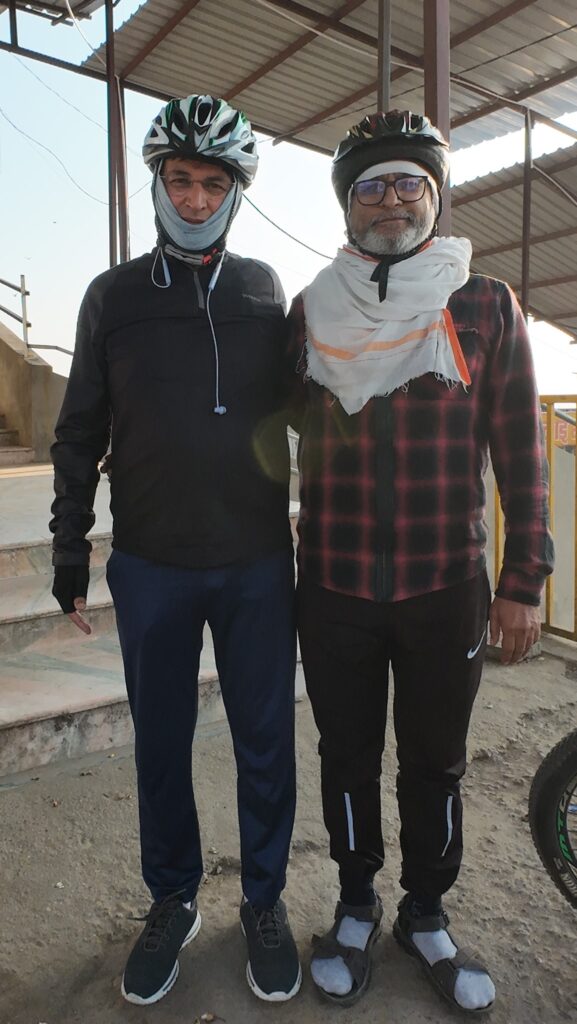
Sometimes, the most beautiful moments during a journey are the ones you never planned. Our visit to Sheetla Mata Mandir Jaipur became extra special the moment we met two Magistrates who had cycled all the way from Jaipur—not in cars, not in official vehicles, but on their gear cycles, powered only by passion, discipline, and a deep love for the simple joys of life.
They arrived at the temple quietly, with the kind of humility that instantly draws your respect. Dressed in their cycling gear, tired yet glowing with pride, they carried an energy that was both inspiring and infectious. In a world where authorities are often seen only inside offices or behind desks, witnessing them as regular people—laughing, exploring, and seeking blessings—touched us more than we expected.
- It reminded us that spirituality has no boundaries.
- No designations.
- No hierarchies.
- Just humans, hearts, and moments.
A Small Act That Meant a Lot
When they asked us if we could click a few pictures for them, we felt genuinely honoured. It wasn’t just about photographs—it was about helping them freeze a moment that clearly meant something to them. Their smiles, their gratitude, and their humble nature made us feel like we were part of their journey too, even if just for a few minutes.
We clicked several pictures—some posed, some candid, some full of pure joy. Later, when we saw the photos, we realized they captured something deeper than a cycling trip. They showed commitment. Friendship. Adventure. And most importantly, the human side of people who carry big responsibilities on their shoulders.
Why This Moment Stayed With Us
As they rested in the temple courtyard, chatting softly and soaking in the peaceful atmosphere, we couldn’t help but feel a wave of admiration. Here were officers who deal with the toughest parts of society every day, yet they chose to reconnect with themselves through something as simple as a cycle ride and a temple visit.
It was pure, raw, and beautifully human.
When we left the temple later, their presence stayed with us. It became a part of our memory of Sheetla Mata Mandir Jaipur—a reminder that sometimes, the universe sends you small encounters that touch your heart in big ways.
We’ll be adding their photos to this blog, not just as images, but as a tribute to the spirit of people who inspire without even trying.


Sheetla Mata Mandir Jaipur – A Story Shared by Locals
Every temple has its miracles, but the ones shared by everyday people feel the most genuine. The beauty of Sheetla Mata Mandir Jaipur is that almost every family living nearby has a personal story connected to the goddess—something that strengthened their faith and kept them returning year after year.
Here’s one such story often heard from locals.
A Mother’s Prayer That Became a Family Tradition
A local Jaipur resident, Meena ji, often shares a memory from her childhood. When she was around eight years old, she fell seriously ill with a high fever that wouldn’t go away. Her mother tried everything—home remedies, medicines, and multiple visits to the doctor—but nothing seemed to work.
In those difficult days, her grandmother suggested visiting Sheetla Mata Mandir Jaipur. She believed that Sheetla Mata protects children, especially during sickness. Even though the family was emotionally exhausted, they went to the temple early one morning. Her mother offered a simple prasad, tied a red chunri, and prayed with all her heart.
Within two days, Meena ji’s fever dropped. Her health improved so quickly that even the doctor was surprised. Since then, her family has made it a tradition to visit Sheetla Mata Mandir every year on Sheetla Ashtami.
When she narrates the story now, she always ends with the same words:
“Maa ne sun li. Tab se hum yahan se jude hue hain.”
(“The goddess heard us. Since then, we’ve been connected to this temple.”)
A Place Where Faith Feels Personal
Whether or not you hear these stories firsthand, you can feel the warmth and trust the moment you step into the temple. People don’t just visit Sheetla Mata Mandir Jaipur out of ritual—they come because they feel an emotional connection, a sense of comfort, and a belief that someone divine is listening.
These small, heart-touching stories are what keep the temple alive—not just as a building, but as a place of hope, healing, and unshakeable faith.
Also Read : Jewel of India Jaipur
Conclusion
Visiting Sheetla Mata Mandir Jaipur is more than just a religious experience—it’s a moment of peace, faith, and connection. Whether you’re a devotee, a curious traveler, or someone who simply loves exploring cultural gems, this temple offers a blend of spirituality and simplicity that leaves a lasting impression.
What makes the temple truly special is not just its history or architecture, but the feeling you get the moment you step inside. The soft chants, the gentle ringing of bells, the fragrance of flowers, and the calm environment together create a space where you can pause, breathe, and feel grounded. It’s the kind of place where worries seem lighter, thoughts feel clearer, and prayers feel heard.
For locals, Sheetla Mata Mandir Jaipur Rajasthan is a symbol of protection and hope. For travellers, it’s a meaningful addition to their Jaipur journey. And for families, it becomes a place where traditions are passed down from one generation to the next.
Whether you’re visiting Jaipur for the first time or returning to the city again, make sure to keep this temple on your list. Spend a few minutes sitting quietly, join the aarti if you can, explore the surroundings, and simply let the divine atmosphere soak in.
By the end of your visit, you’ll understand why this small yet powerful temple holds such a big place in the hearts of so many people—and why it truly deserves your time.